
Last updated:
Saint Kitts and Nevis scuba diving offers incredible underwater experiences for all divers. These two Caribbean islands sit in the Lesser Antilles with warm waters and vibrant marine life. The islands' volcanic origins create dramatic underwater formations and diverse ecosystems. Divers explore shipwrecks, coral gardens, and deep-water pinnacles throughout the year. Whether you are a beginner taking your first breath underwater or an experienced diver seeking adventure, these islands deliver world-class diving opportunities.
The diving here differs from other Caribbean destinations. Saint Kitts and Nevis remain less crowded than popular diving hubs. You will encounter friendly local dive operators who know every reef and wreck. The warm waters stay comfortable year-round, making diving accessible to everyone. English speakers will have no language barriers when booking dives or learning underwater skills.
Best Dive Sites in Saint Kitts and Nevis
Saint Kitts and Nevis scuba diving destinations include some of the Caribbean's most impressive sites. The HMS Britannia wreck near Nevis sits in 25 meters of water. This former British frigate rests on the seafloor as an artificial reef. Divers navigate through cargo holds and captain's quarters on this popular wreck dive. The site attracts experienced divers seeking challenging underwater exploration.
Booby Pond on Saint Kitts offers a different experience for divers of all levels. Shallow coral formations create an accessible environment for new divers. The site features soft corals, sponges, and small fish that make excellent photography subjects. Morning dives here provide the best visibility and lighting for underwater cameras.
Nags Head on Nevis creates a dramatic underwater pinnacle. The site rises from 30 meters to just 5 meters below the surface. Divers encounter schools of trevally, trumpetfish, and occasional sea turtles. Strong currents make this a site better suited for experienced divers with good buoyancy control.
Shipwreck Dives
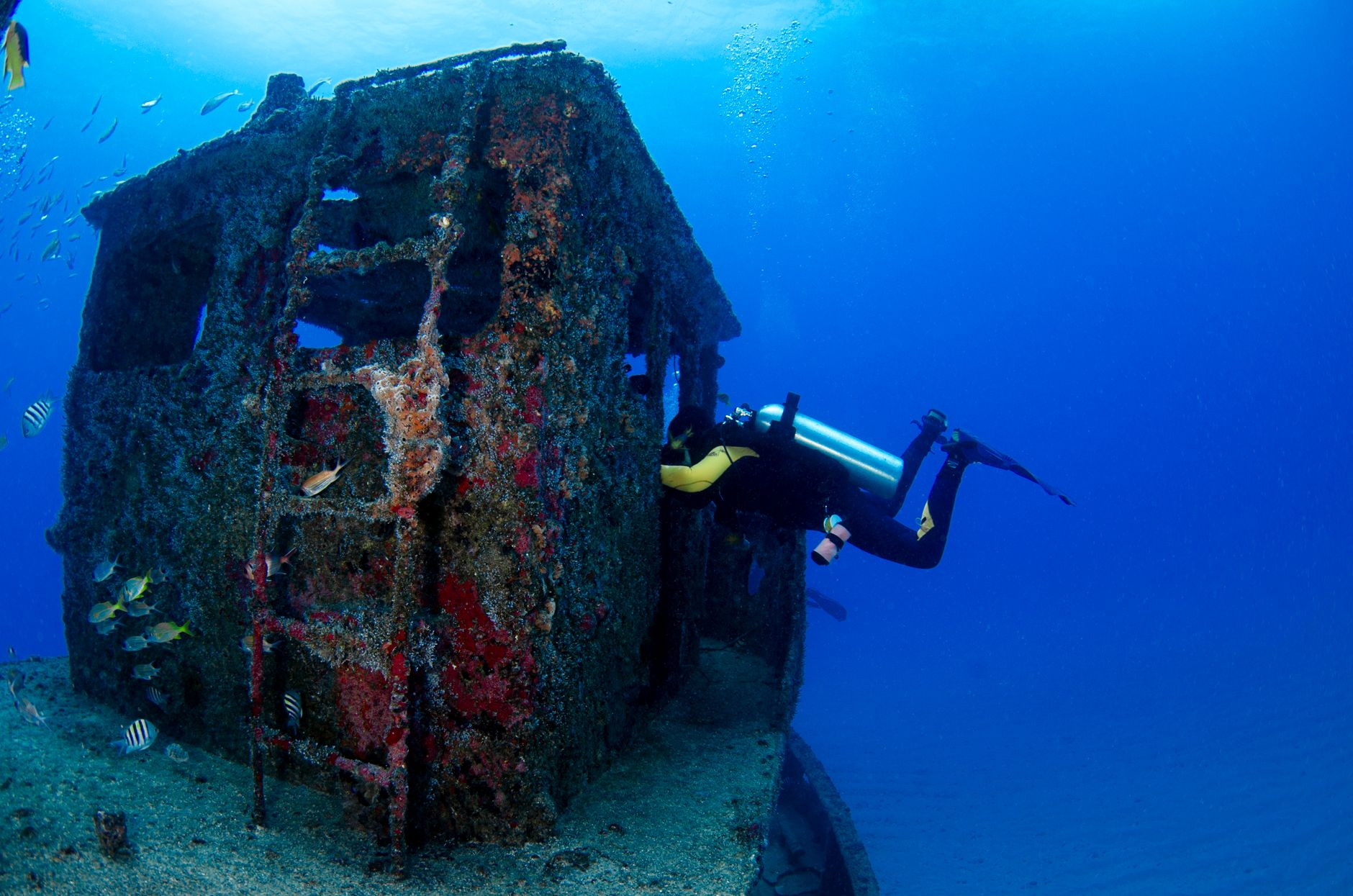
The waters around Saint Kitts and Nevis hold multiple wrecks waiting for exploration. The Talata, a cargo vessel, rests in 20 meters of water off Saint Kitts. Divers swim through the engine room and bridge on this accessible wreck dive. Schools of snappers and groupers call this wreck home. The Talata works well for intermediate divers building wreck experience.
The River Taw, another cargo ship, sits deeper at 35 meters. This wreck attracts advanced divers seeking more challenging underwater exploration. The intact structure still shows barnacles, coral growth, and abundant marine life. Visibility at the River Taw can exceed 30 meters on ideal diving days.
Reef and Wall Dives
Turtle Beach Reef on Saint Kitts features gentle sloping terrain. Soft corals dominate the upper reef while larger formations appear deeper. Sea turtles frequent this site, offering memorable encounters. Beginners find this location comfortable for building confidence underwater.
Dieppe Bay on Saint Kitts presents a wall dive for intermediate to advanced divers. The reef wall drops to impressive depths while providing excellent visibility. Larger pelagic fish patrol the wall seeking meals. The site offers both reef and wall diving options depending on your preference and experience level.
PRO TIP: Book dives early in your trip during calm weather. This ensures you get to your preferred sites before wind conditions change. Local dive operators check weather daily and adjust schedules accordingly.
Scuba Diving for Beginners in Saint Kitts and Nevis
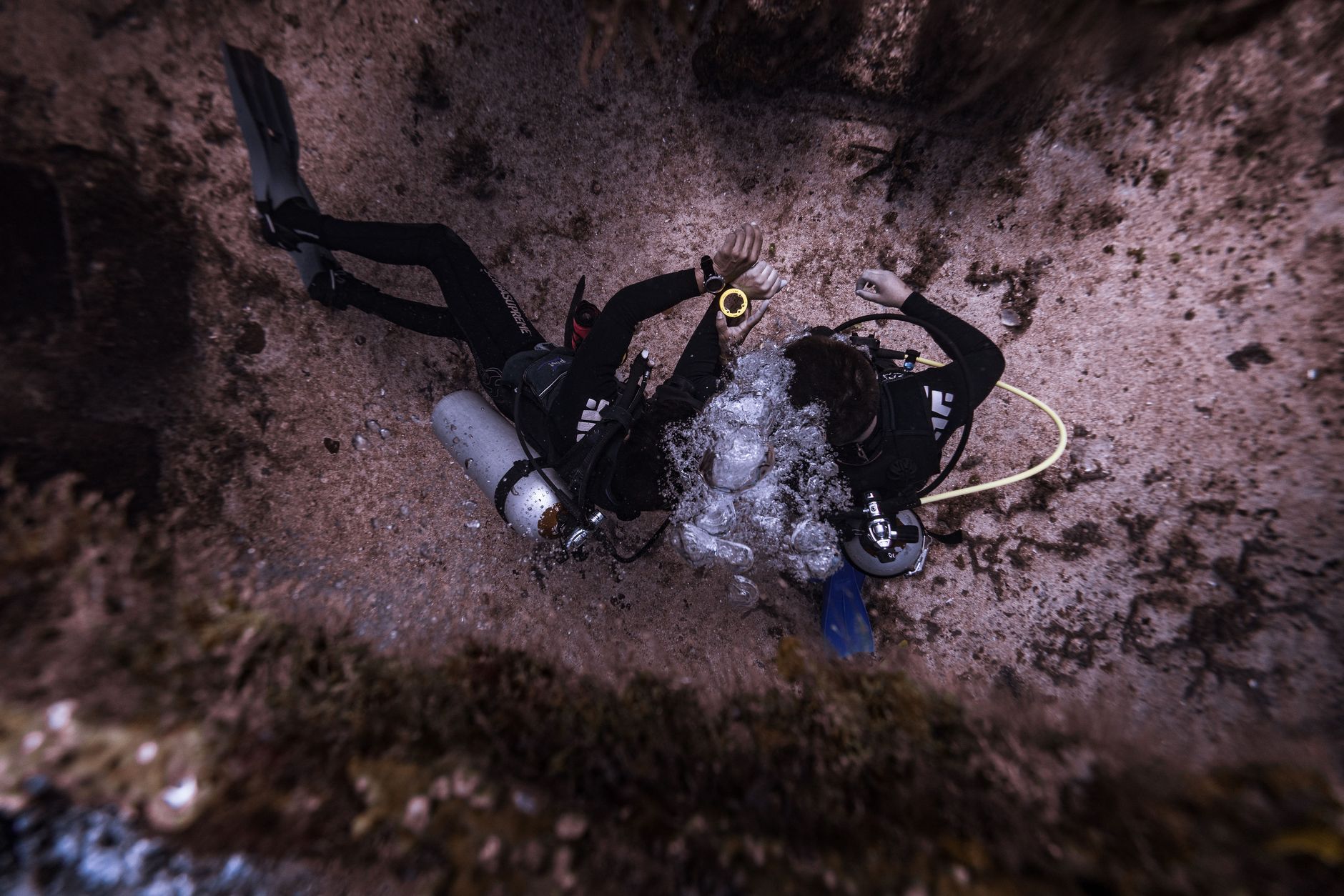
Beginners find excellent conditions for learning scuba diving in Saint Kitts and Nevis. The warm water temperature requires minimal exposure protection. Shallow reef sites provide gentle environments for practicing new skills. Most dive sites feature sandy bottoms or sloping terrain that does not intimidate new divers.
Many beginners worry about equalizing ear pressure underwater. The shallow depths here mean you practice equalization in comfortable conditions. Instructors work at your pace without rushing through essential skills. You will complete your open water certification in two to three days with most operators. The islands' calm, sheltered sites make learning manageable and enjoyable.
Booby Pond and Turtle Beach offer ideal beginner sites. Both locations feature depths between 5 and 15 meters. You will see colorful fish, corals, and sea creatures without traveling to deep water. The shallow depths mean you can ascend quickly if you feel uncomfortable. Local instructors understand beginner anxieties and provide reassuring guidance.
Learning Your First Skills
Your open water course covers essential diving skills in a structured program. You will practice skills in confined water before moving to actual reef dives. Instructors teach mask clearing, regulator recovery, and buoyancy control. These fundamental skills build the confidence you need for independent diving. The certification takes three to four days and costs vary by operator.
Confined water training happens in protected bays or pool areas. You will practice breathing underwater, equalization, and emergency procedures. Instructors observe your technique closely and make corrections. This practice phase prevents anxiety when you move to open water. Most beginners feel ready for reef diving after completing confined water training.
Beginner-Friendly Sites
Booby Pond features gradual sloping terrain perfect for new divers. Maximum depths reach only 15 meters, keeping you in comfortable diving range. You will encounter colorful parrotfish, damselfish, and sergeant major fish. The shallow depth means more bottom time and less pressure during ascents.
Turtle Beach Reef attracts beginners and snorkelers alike. The reef starts in 2 meters of water and gradually slopes to 20 meters. You control your own descent speed and depth on this site. Sea turtles often appear, creating unforgettable memories of your first dives. The site's proximity to shore means shorter boat rides and easier logistics.
Snorkeling in Saint Kitts and Nevis
Snorkeling offers an excellent introduction to underwater life without diving certification. Saint Kitts and Nevis feature numerous snorkel-accessible reefs near popular beaches. You need only basic swimming ability and comfort in shallow water. Most resorts and tour operators offer snorkeling excursions daily.
Cockleshell Bay on Saint Kitts provides excellent snorkeling from the beach. Reefs begin just 20 meters offshore in shallow, clear water. You will see tropical fish, sea fans, and coral formations without going deep. The calm bay waters make this ideal for families and beginners.
Pinney's Beach on Nevis stretches for miles with accessible snorkeling throughout. Soft corals and sponge formations appear close to the surface. You can snorkel for hours in shallow water while maintaining contact with the shore. The beach offers food-restaurants and facilities making full-day snorkeling comfortable.
Snorkeling Tours and Activities
Local tour operators offer guided snorkeling excursions from both islands. Tours typically last three to four hours and visit two to three different snorkel sites. Guides point out fish species, corals, and marine creatures you might miss. Tours depart from major beaches and resort areas multiple times daily.
Some tours combine snorkeling with visits to shipwrecks in shallow water. The HMS Britannia wreck sits deep for scuba divers, but other wrecks rest at snorkeling depths. You will see fish-covered hull sections and partially intact interior spaces. These snorkel wreck tours offer unique experiences without requiring diving certification.
Equipment and Preparation
Bring or rent snorkeling gear when visiting Saint Kitts and Nevis. A properly fitting mask prevents water leaks that ruin snorkeling. Fins help you move efficiently through water and conserve energy. A snorkel tube lets you breathe at the surface while observing underwater life.
Wear reef-safe sunscreen to protect marine ecosystems. Regular sunscreen chemicals damage coral and harm fish. Local dive shops sell reef-safe options or you can bring your own. Rash guards or wetsuits provide sun protection and prevent abrasion from corals. Most beginners feel more comfortable in light wetsuits even in warm water.
PRO TIP: Snorkel in the morning when visibility is clearest and water is calmest. Afternoon winds can create choppy conditions and reduce your enjoyment. Early tours also encounter more active fish before they hide in midday heat.
Dive Schools and Operators
Saint Kitts and Nevis host several professional dive operators serving tourists and local divers. These businesses employ certified instructors and maintain well-equipped boats. Most operators offer daily dive schedules and certification courses. They provide quality equipment rental and professional guidance for all experience levels.
Dive operators on Saint Kitts include companies based in Basseterre and Frigate Bay. These operators access the island's best sites within 15 to 30 minutes by boat. Multiple daily dives let you enjoy several sites in one day. Many operators offer nitrox diving for experienced divers wanting extended bottom time.
Nevis dive operators work from Charlestown and smaller beaches around the island. The Nevis operators tend toward smaller groups and more personalized service. You often dive with the same instructor and crew throughout your stay. Local knowledge and attention to detail characterize Nevis diving operations.
Choosing Your Dive Operator
Look for operators with PADI, NAUI, or SSI certification credentials. These agencies set international standards for diving safety and training. Certified instructors understand emergency procedures and skill progression. Ask about their safety record and equipment maintenance practices before booking.
Consider group size when selecting an operator. Smaller groups of four to six divers receive more personalized attention. Larger groups of eight to ten divers offer competitive pricing but less individual focus. Some divers prefer small groups for safety reasons while others enjoy the social aspect of larger trips.
Ask about equipment quality and maintenance procedures. Regulators and buoyancy compensators should feel responsive and well-maintained. Tanks should have recent inspection stickers. Operators who maintain equipment poorly increase your risk of diving problems. Never dive with an operator who lacks professional equipment standards.
Certification Courses and Specialties
All major dive operators offer open water certification courses for beginners. The course takes three to four days and teaches fundamental diving skills. You will earn an internationally recognized certification card upon completion. Prices for open water courses run standard rates across the islands.
Advanced certification courses train divers for deeper, more challenging sites. Advanced open water training teaches navigation, deep diving, and additional skills. Recreational divers typically stop at the advanced level before pursuing specialty certifications. Specialty courses cover topics like wreck diving, underwater photography, and enriched air nitrox.
What You Will See Underwater
The underwater realm of Saint Kitts and Nevis contains diverse marine ecosystems. Coral formations range from tiny branching corals to massive brain corals. Soft corals sway in currents creating a garden-like appearance. Sea fans wave from the reef structure in blues, yellows, and purples. These habitats support thousands of fish species and invertebrate creatures.
Fish species vary by depth and reef type. Shallow reefs host colorful parrotfish, sergeant majors, and damselfish. These fish create constant movement and color on the reef. Larger snappers, groupers, and jacks patrol deeper water hunting smaller fish. Barracuda occasionally appear and seem menacing but rarely trouble divers. Sea turtles frequent several reef areas and offer memorable encounters for lucky divers.
Fish and Invertebrates
Parrotfish earn their name by eating coral and excreting sand. You will hear them crunching sounds while diving. Their bright colors include blues, greens, and yellows. These fish create the white sand beaches through their feeding activities. Spotting a large parrotfish is a highlight for many reef divers.
Trumpetfish hide among corals using camouflage. These thin fish change colors to match their surroundings. They ambush small fish that wander too close. Finding and photographing a camouflaged trumpetfish delights underwater photographers. Sea horses occasionally appear in shallow seagrass areas on the reef edge.
Lionfish inhabit reefs in Saint Kitts and Nevis as an invasive species. These venomous fish have impressive fins with zebra-like stripes. Divers observe them but maintain respectful distance to avoid injury. Local operators sometimes participate in culling programs to control the population.
Larger Marine Life
Sea turtles frequent reefs around both islands. Green sea turtles and hawksbill turtles appear seasonally. These ancient creatures graze on seagrass and algae. Watching a sea turtle move gracefully through water creates lasting memories. Never touch or chase turtles as this stresses the animals and disturbs their feeding.
Nurse sharks rest on sandy bottoms during the day. These bottom feeders hunt small fish and crustaceans at night. They rarely show aggression toward divers. Many experienced divers consider shark sightings thrilling highlights of their dives. Reef sharks patrol deeper areas and appear on wall dives.
Rays glide across sandy areas with graceful movements. Southern stingrays are common while spotted eagle rays appear occasionally. These creatures pose no danger when divers maintain appropriate distance. Their unusual body shape and silent movement fascinate underwater photographers.
PRO TIP: Bring an underwater camera or hire a photographer to capture your diving memories. Many operators offer underwater photography services or rent cameras. The colorful marine life provides endless photography opportunities even for beginners.
Best Time To Dive in Saint Kitts and Nevis

The best months for Saint Kitts and Nevis scuba diving run from December through May. During these months, weather patterns create calm seas and excellent visibility. Trade winds blow consistently but rarely create large swells. Water temperatures remain warm and comfortable throughout the dry season. Most divers prefer this period for diving and beach activities.
December through February experiences the coolest temperatures and lowest humidity. These winter months attract divers escaping cold northern weather. Water visibility often exceeds 30 meters during calm mornings. Afternoon winds sometimes kick up swells but morning dives remain consistently good. Book accommodations early during this peak season as rooms fill quickly.
March through May extends the ideal diving season through late spring. Water temperatures reach their warmest during May. Visibility remains excellent throughout this period. Fewer tourists visit during late spring compared to winter holidays. You will find shorter wait times at dive shops and more availability on boats.
Seasonal Considerations
June through November brings the Atlantic hurricane season to the Caribbean. While direct hits are relatively rare, storms can disrupt travel and diving. Rain showers become more frequent during afternoon hours. Visibility decreases slightly during the wet season compared to dry months. Seas can experience more swell and chop during this period.
Water temperatures remain warm year-round, never dropping below 26 degrees Celsius. Even during winter months, swimmers feel comfortable without thick wetsuits. Lightweight exposure protection prevents coral cuts and sun burns. Many divers wear thin wetsuits or rash guards year-round.
Monthly Conditions
December brings perfect conditions with calm seas and mild temperatures. Holiday crowds create busy dive shops and popular sites. Water visibility averages 25 to 30 meters. This is the most popular month for diving due to school holidays and winter weather elsewhere.
January and February continue excellent conditions with slightly fewer crowds than December. Both months offer reliable sunshine and calm offshore breezes. Water conditions remain ideal for all diving activities. Spring break crowds arrive in March bringing busier conditions to popular sites.
April and May offer excellent diving with reduced tourism. You can often book dives day-of without advance reservations. Visibility remains strong and water temperatures peak during May. Fewer divers on each boat means better dive guide attention. These months offer the best value for divers seeking lower prices.
Frequently Asked Questions
Do I Need a Diving Certification To Dive in Saint Kitts and Nevis?
Yes, all recreational scuba diving requires valid certification from a recognized training agency like PADI, NAUI, or SSI. However, beginners can obtain open water certification in three to four days through local dive operators. This certification card allows you to dive independently worldwide. If you are not certified, you can snorkel or take introductory dives with an instructor holding your hand. Most resorts and dive shops offer certification courses for interested beginners.
What Is the Cost of Diving in Saint Kitts and Nevis?
Dive costs vary by operator and experience level. Single boat dives typically cost between standard Caribbean pricing. Open water certification courses cost standard rates across the industry. Equipment rental adds minimal cost if you do not bring your own. Snorkeling offers a budget-friendly alternative costing significantly less than diving. Ask your resort or dive shop for current pricing as costs fluctuate seasonally.
When Is the Water Warmest for Diving?
Water temperatures peak during May through October, reaching approximately 28 to 29 degrees Celsius. Even during winter months from December to February, water stays around 26 degrees Celsius. This warm water year-round makes Saint Kitts and Nevis excellent diving destinations in any season. Most divers find these temperatures comfortable without thick wetsuits. Lightweight exposure protection suffices for all skill levels and visitor types.
Are There Dangerous Marine Animals in These Waters?
Lionfish inhabit local reefs as an invasive species but pose minimal danger when you maintain distance. Sharks exist in the area but rarely interact with divers. Stingrays rest on sandy areas but show no aggression toward respectful divers. Sea urchins live in coral crevices and can cause injury if you touch them. Standard diving practices like looking before touching prevent virtually all marine injuries. Thousands of divers visit annually without incident.
Can Families With Children Participate in Diving or Snorkeling?
Children aged ten and older can earn junior scuba certifications through PADI and similar agencies. Younger children can snorkel from beaches or boats with parental supervision. Many family-friendly dive operators offer controlled environments for young divers. Snorkeling requires no age restrictions and offers excellent marine life viewing. Saint Kitts and Nevis provide numerous family-friendly water activities beyond diving and snorkeling alone.